.svg)
2084 0 comments
The Evolution of Traditional Kurtis: From Heritage Roots to Modern Trends
Traditional kurtis have been a symbol of grace and cultural heritage for centuries. Rooted in the rich traditions of South Asia, these garments were originally designed for comfort and modesty. Over time, however, kurtis have undergone a fascinating transformation, blending heritage with modern sensibilities to become a global fashion favorite.
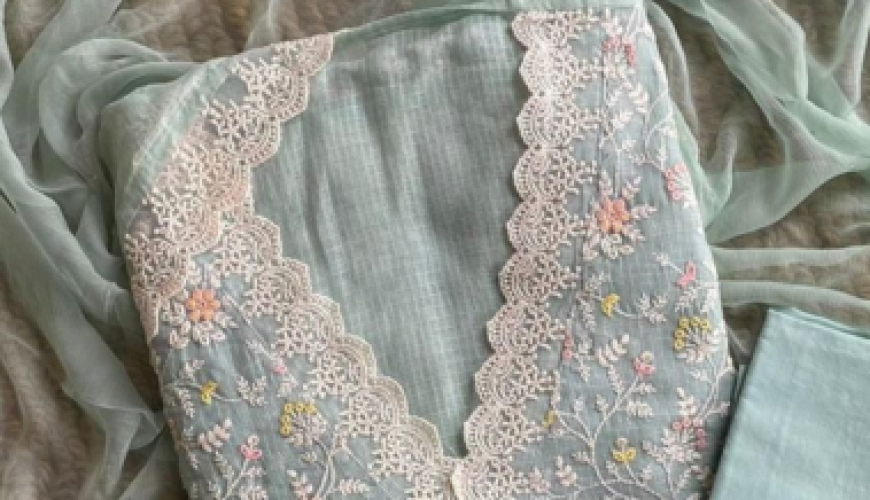
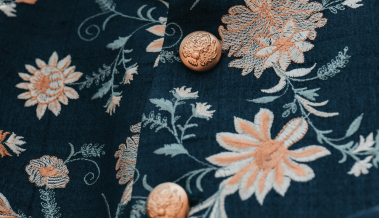
In their earliest forms, kurtis were simple and handcrafted, often made from natural fabrics like cotton and silk. Their designs reflected the region’s cultural and artistic heritage, featuring intricate embroidery, block prints, and embellishments. Each kurti told a story of its origin, showcasing the craftsmanship of local artisans.
As fashion evolved, kurtis adapted to the changing needs of modern women. Designers began experimenting with cuts, fabrics, and patterns, introducing asymmetrical hemlines, fusion styles, and contemporary prints. Today’s kurtis cater to a diverse audience, offering something for everyone—from office wear to festive ensembles. Pairing kurtis with jeans, palazzos, or skirts has redefined how they are worn, making them a versatile wardrobe essential.
Write a comment